







EV Charger with Wi-Fi

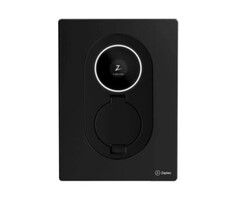
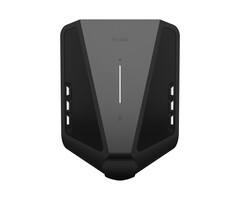
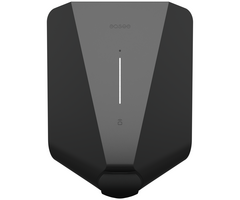
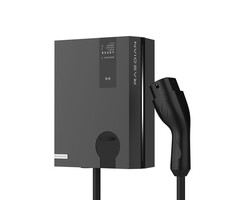
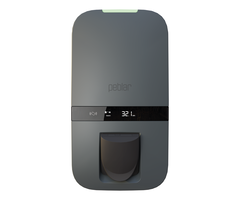
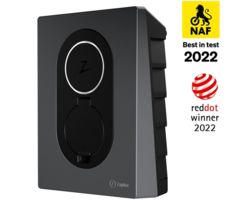
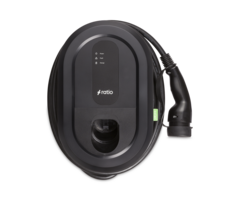
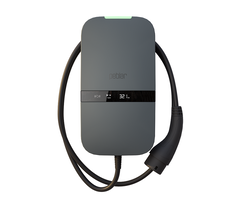
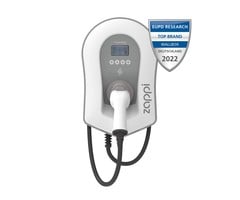
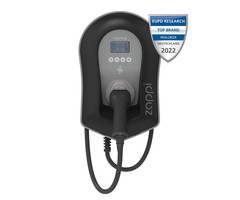
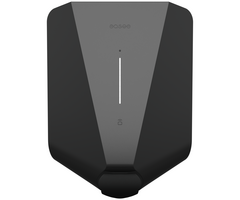
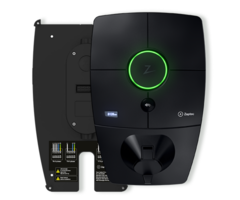

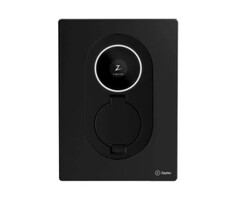
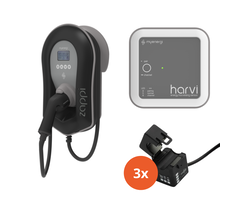
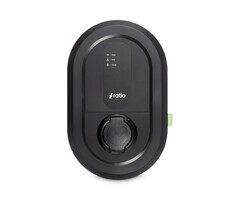
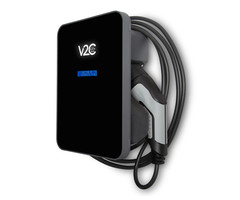
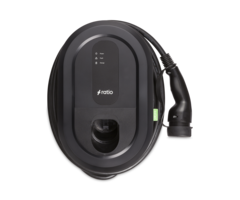

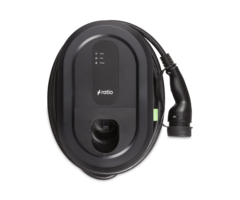
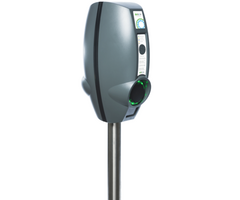

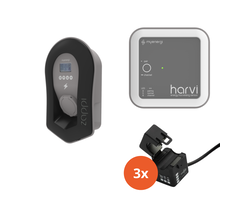
An EV Charger with Wi-Fi connects your charging station to your home network and gives you full control over every charging session. Manage your charger through an app, monitor your energy consumption in real time and receive automatic software updates whenever the manufacturer releases new features. At Wallbox Discounter, you can choose from dozens of Wi-Fi-enabled chargers, available as single-phase or three-phase models with charging capacities ranging from 3.7 kW to 22 kW.
- Competitive prices on all Wi-Fi-enabled chargers
- Order the charger separately or including installation by a certified electrician
- Ordered before 15:00, shipped today from the Netherlands
- Free shipping on orders above €150
- Personal advice from your EV charging specialist
What does Wi-Fi do for an EV Charger?
A Wi-Fi connection transforms a standard charging station into a smart EV Charger. Once connected online, the charger communicates with the manufacturer's servers and with the app on your smartphone. This enables a wide range of features that are simply not available when the charger operates offline.
With a Wi-Fi connection, you can start, pause and schedule charging sessions from your sofa. You can view charging statistics per session and per month, receive notifications and grant access to multiple users. If you have a dynamic electricity tariff, the charger can automatically retrieve current electricity prices and charge when energy costs are at their lowest.
OTA updates: keeping your charger up to date
Connected chargers receive automatic Over-the-Air updates, also known as OTA updates. The manufacturer sends new firmware through the cloud, and the charger installs it automatically, often during the night. No technician visit and no manual updates required.
OTA updates improve charging performance, resolve software issues and introduce new functionality. This may include support for additional charging cards, smarter load balancing or integration with a home battery system. A charger without internet access does not receive these updates and may gradually become outdated. With Wi-Fi, your investment remains up to date for years to come.
Plug & Charge via ISO 15118
A Wi-Fi-enabled charger that supports ISO 15118 can automatically recognise your vehicle as soon as you plug in the charging cable. No charging card and no app confirmation required. The communication between the vehicle and charger is encrypted and certified. This technology also forms the foundation for future Vehicle-to-Grid (V2G) and Vehicle-to-Home (V2H) applications, where your vehicle can return electricity to your home or the power grid. Models supporting ISO 15118 include the Easee Charge Pro, Zaptec Go 2, Wallbox Pulsar Pro, Alfen Eve Pro-line and Smappee EV Ultra.
Who benefits from an EV Charger with Wi-Fi?
A Wi-Fi-enabled charger is particularly attractive for users who want more than simple charging. Do you have solar panels installed? Then the app can automatically align charging sessions with periods of excess solar production, allowing your vehicle to run as much as possible on self-generated energy. If you drive a plug-in hybrid or company car, charging sessions can be recorded separately for reporting and reimbursement purposes.
Wi-Fi also offers advantages in homes with high electricity demand. When combined with Load Balancing, the charger automatically adjusts charging power based on the household's current electricity usage. If the oven and dishwasher are running simultaneously, the charger reduces its power output to prevent overloading your electrical connection.
Wi-Fi, 4G or Ethernet: which connection should you choose?
Not every installation location benefits from a strong Wi-Fi signal. If your charger is installed behind thick walls, inside a garage or at the far end of a driveway, there are three common solutions:
- Wi-Fi extender: A mesh system or repeater extends the signal to the charger. This is often the most affordable and easiest solution.
- Ethernet: Models from brands such as Alfen and Zaptec feature a wired network connection. A network cable provides the most stable connection possible.
- 4G: Some chargers include an integrated SIM card or eSIM. This solution works wherever mobile network coverage is available and is ideal for locations without a fixed internet connection.
Before installation, test the Wi-Fi signal at the intended charger location. Use your smartphone to perform a speed test and check whether at least two signal bars are available. If the connection is stable, standard Wi-Fi is usually more than sufficient. If you want additional reliability, consider a charger that supports both Wi-Fi and Ethernet.
What should you consider when choosing a Wi-Fi-enabled charger?
Several factors determine how well the Wi-Fi features will perform in daily use.
- 2.4 GHz support: This frequency offers greater range and better wall penetration than 5 GHz. Most EV Chargers support 2.4 GHz networks.
- Security: Your router should use at least WPA2 encryption. For additional security, you can create a dedicated guest network for your charger.
- App quality: Hardware is only part of the experience. Easee, Wallbox and Zaptec offer some of the most comprehensive and highly rated charging apps available.
- Updates and support: Choose a manufacturer with a strong track record of OTA updates. This ensures your charger remains compatible with future charging standards.
Which Wi-Fi-enabled EV Chargers does Wallbox Discounter offer?
Our range includes dozens of EV Chargers with Wi-Fi, from compact 7.4 kW home chargers to advanced 22 kW models with MID-certified meters for business use. You can easily filter by charging power, number of phases, fixed cable or socket configuration, as well as additional features such as Plug & Charge, RFID access and Dynamic Load Balancing. Product pages clearly indicate whether a charger supports solar charging or reimbursement of charging costs.
If you are looking for a complete solution, Wallbox Discounter also offers EV Chargers including installation. Not sure whether a standard Home EV Charger is sufficient or whether a Smart EV Charger is the better choice? Our specialists are happy to advise you by phone or WhatsApp.
Frequently asked questions about an EV Charger with Wi-Fi
Does an EV Charger with Wi-Fi still work without an internet connection?
Yes. Charging itself will continue to function. Once your vehicle is plugged in, the charging session can still start normally. However, app features, remote control, automatic updates and smart charging based on electricity prices or solar production will not be available without an internet connection.
Do I need 2.4 GHz or 5 GHz Wi-Fi?
Most EV Chargers use 2.4 GHz Wi-Fi. This frequency provides a longer range and better wall penetration than 5 GHz. Make sure your router broadcasts a 2.4 GHz network in addition to, or instead of, a 5 GHz network.
How often does my charger receive updates?
This depends on the manufacturer. Brands such as Easee, Zaptec and Wallbox release OTA updates several times per year. These updates are usually installed automatically during the night without requiring any action from the user.
Can I add Wi-Fi to an offline charger later?
Some chargers can be upgraded with an optional Wi-Fi module. Other models already include built-in connectivity that simply needs to be activated. Check the specifications on the product page or contact us for personalised advice regarding your preferred model.
Order today, shipped today
Choose the EV Charger with Wi-Fi that best matches your needs and order directly online. Orders placed before 15:00 are shipped the same day from our warehouse in the Netherlands. Would you like advice on which charger best suits your electrical installation, dynamic energy contract or solar panel system? Give us a call or contact us via WhatsApp. You will receive honest and expert advice from specialists who work with charging technology every day.