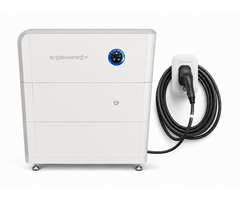







Bidirectional EV Charger- DC charging station - 12,5 kW - CCS2 connector
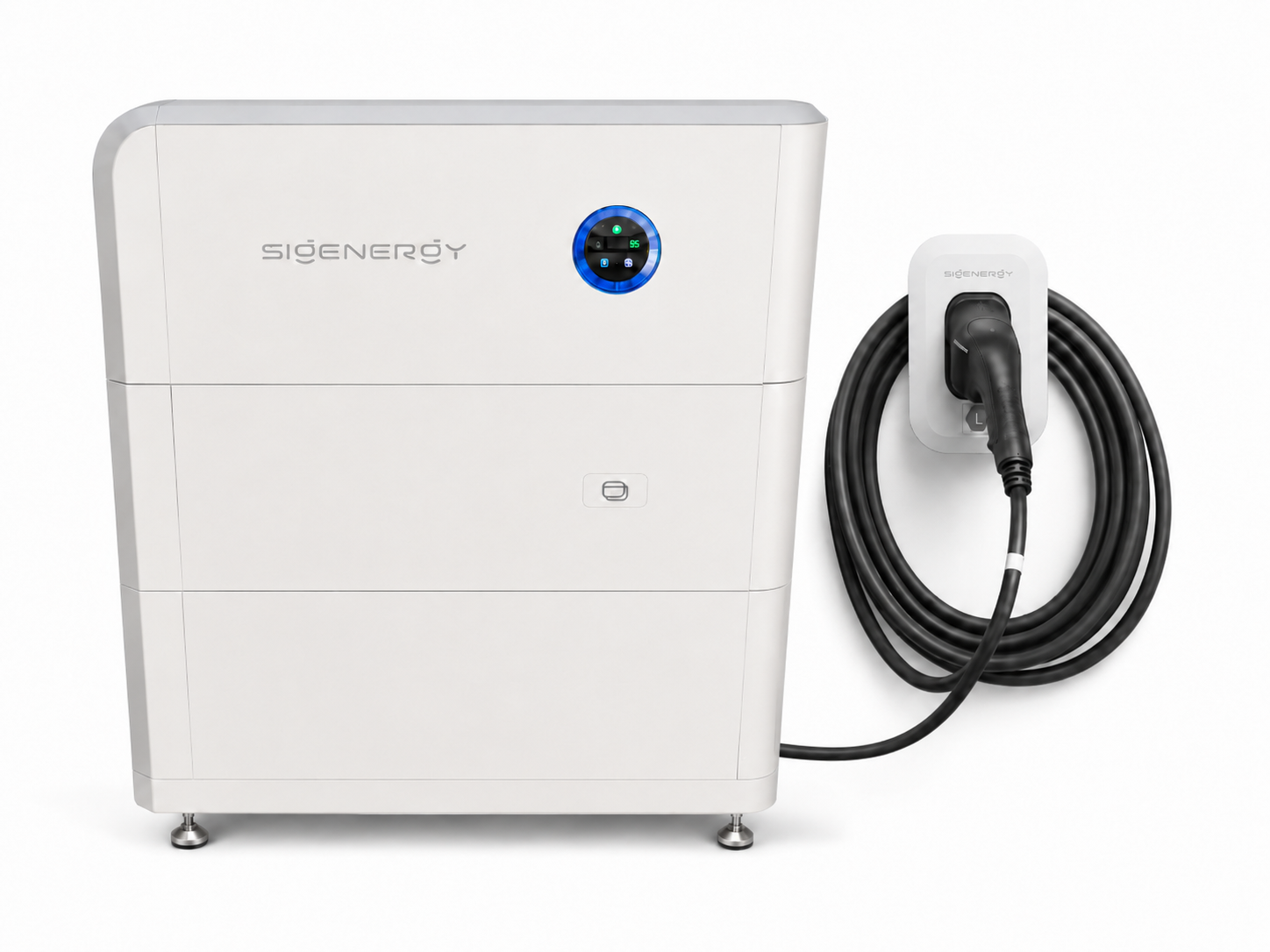
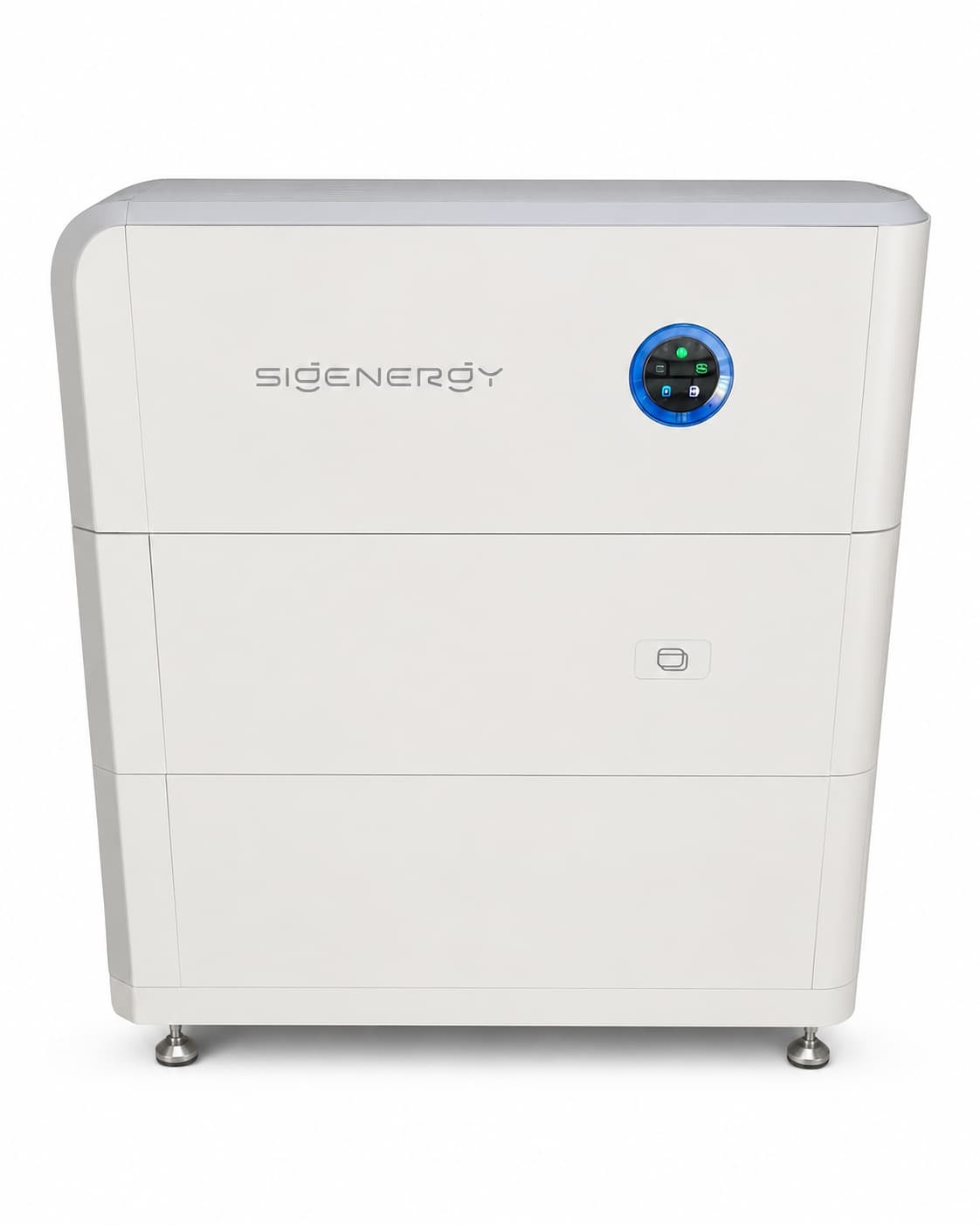
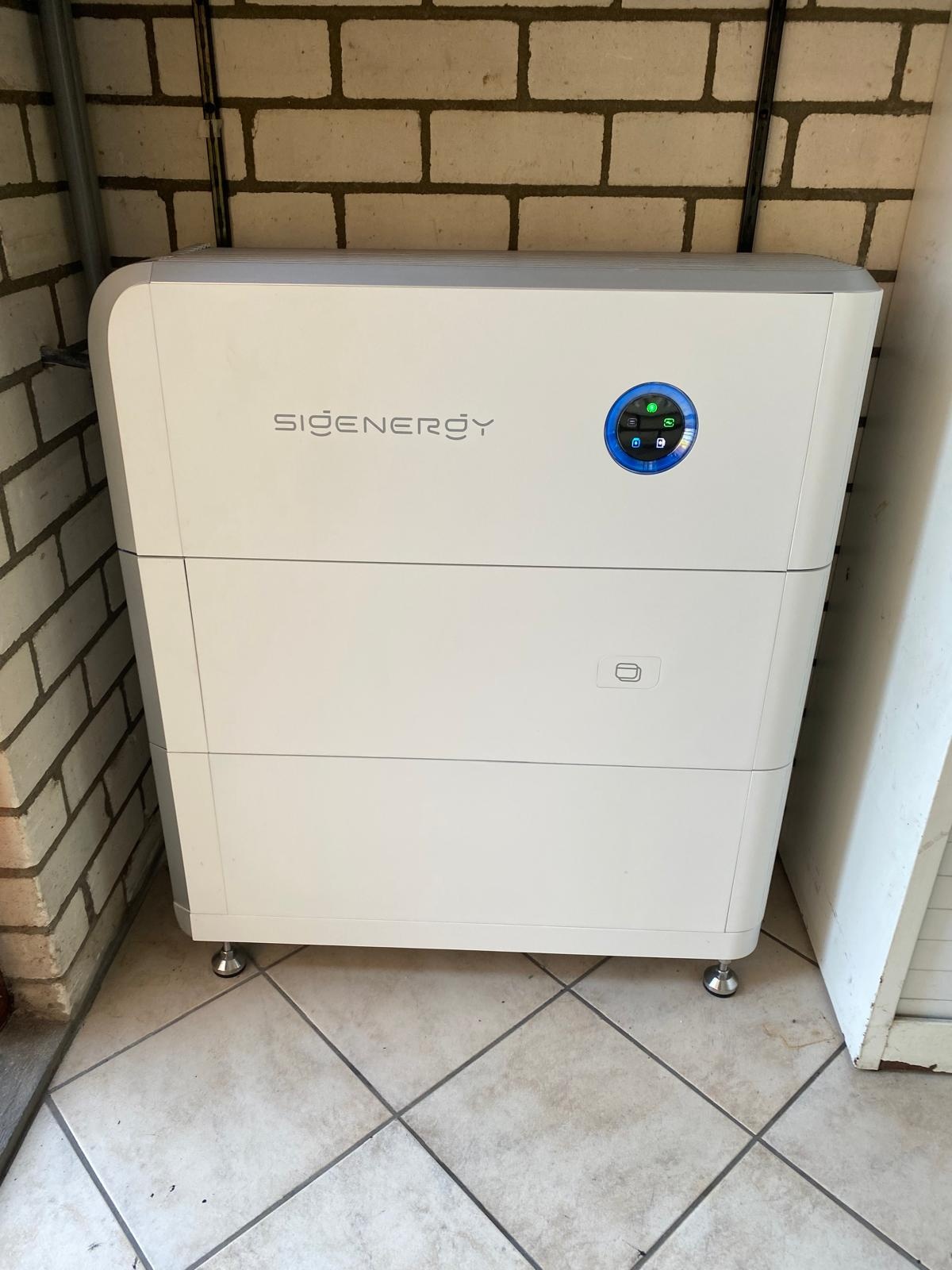
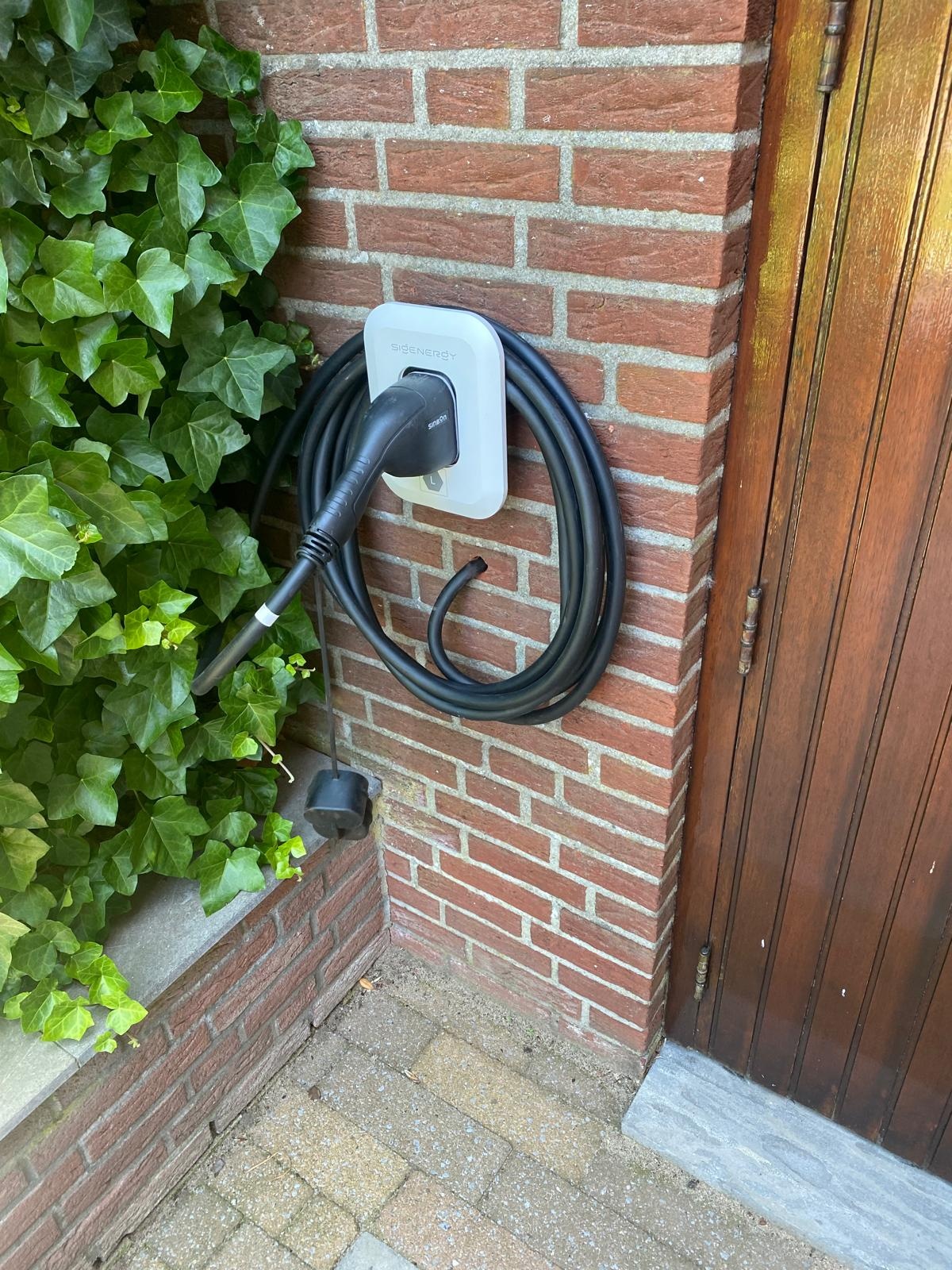
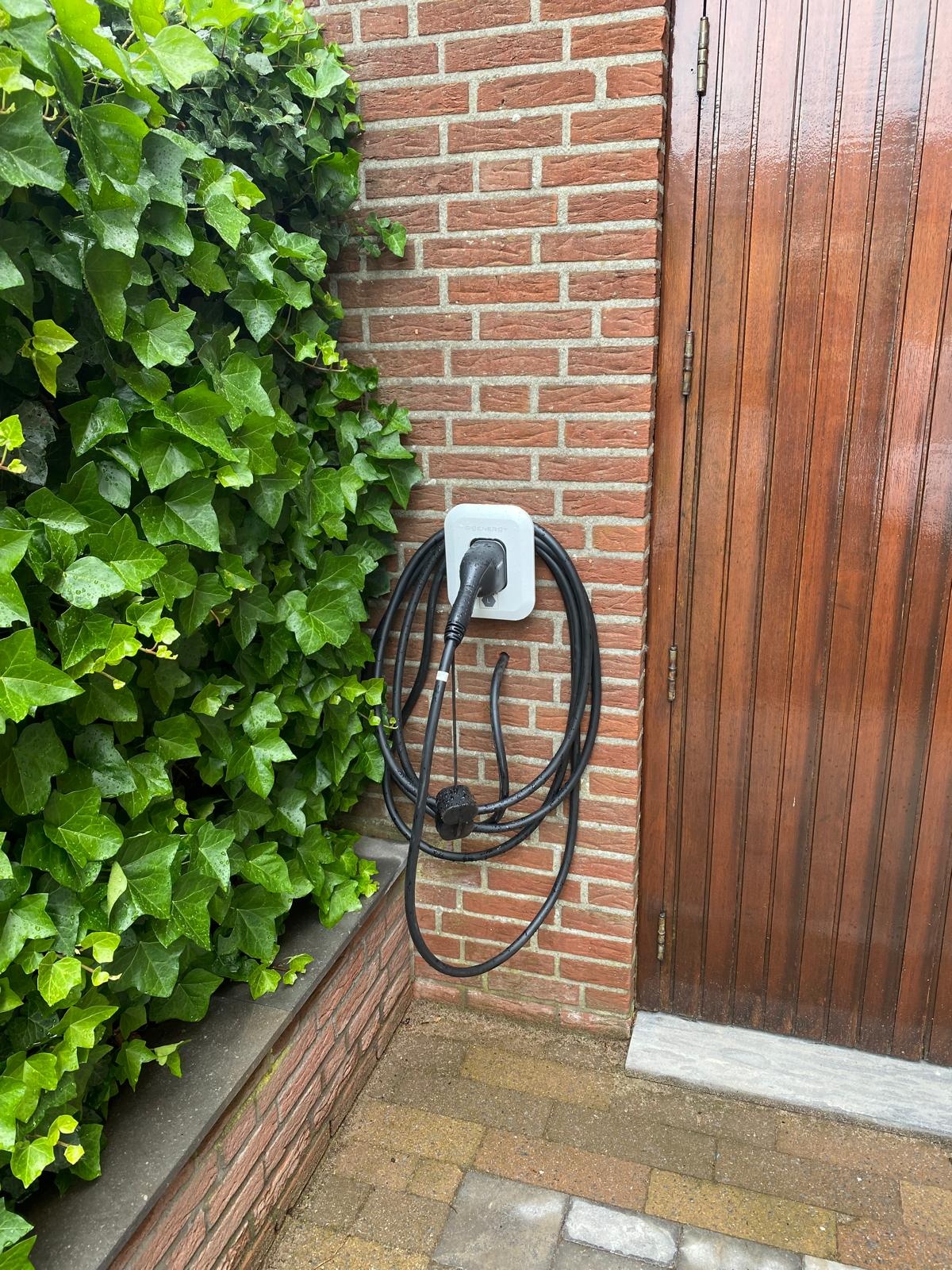
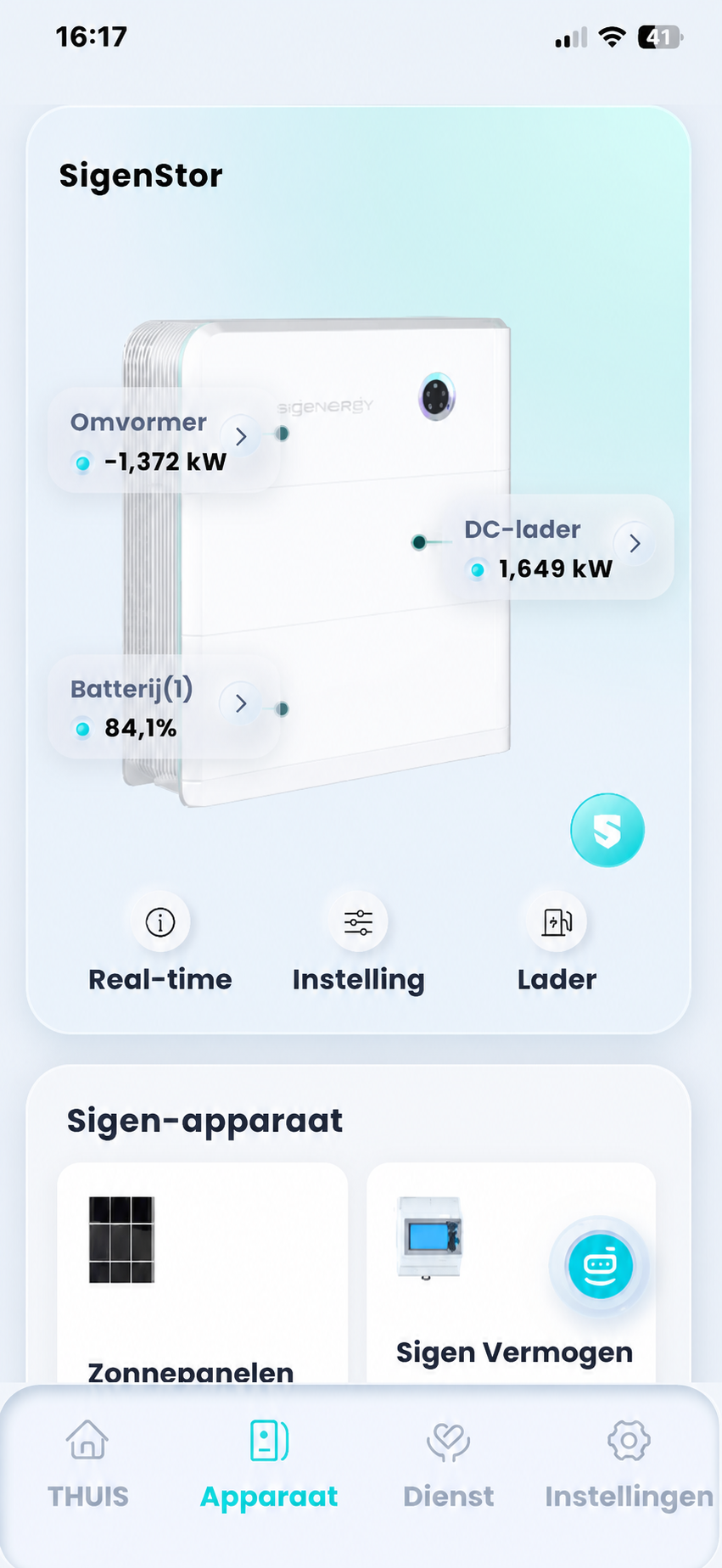
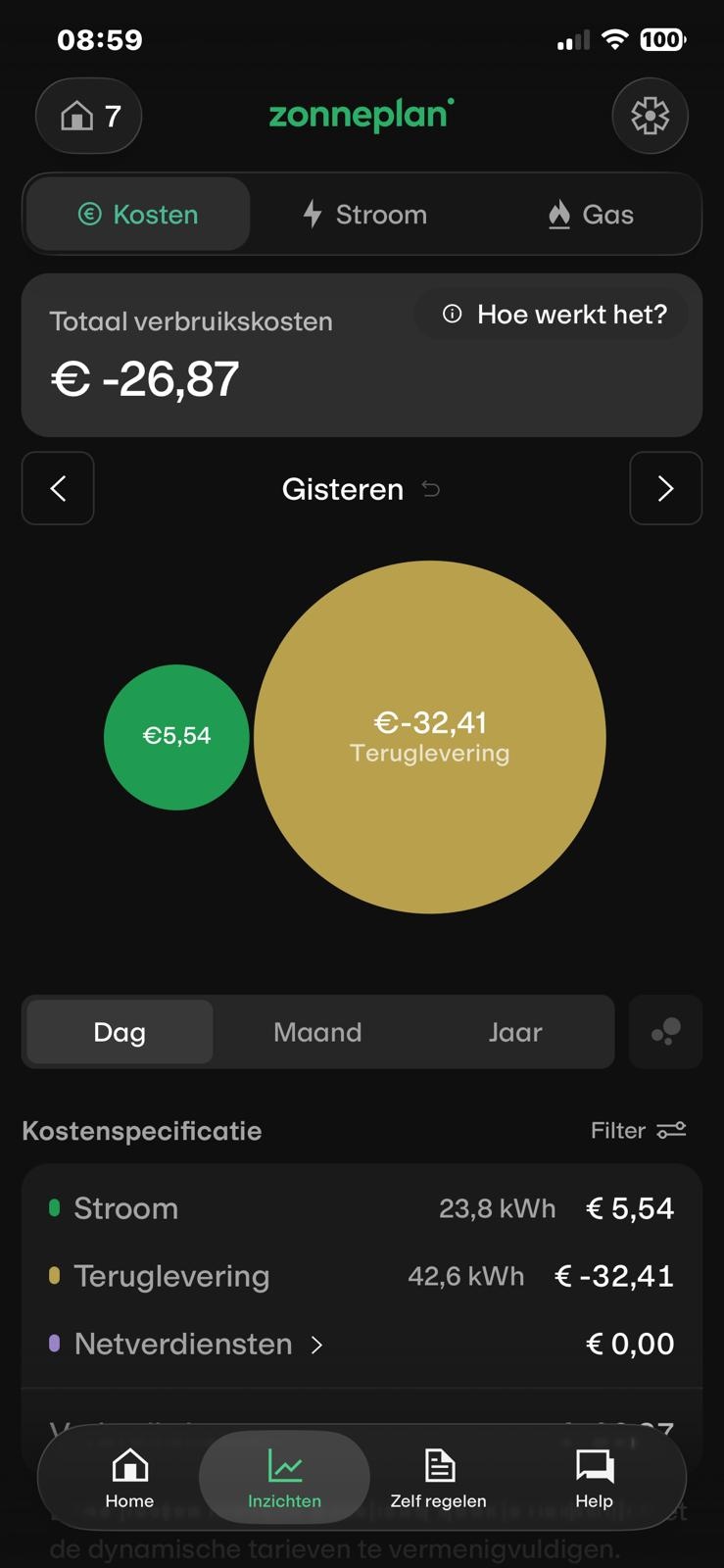







- One of the first operational bidirectional EV Chargers
- Use your car as a solar battery
Bidirectional EV Charger
Bidirectional charging has long been a promise for the future. With the introduction of this universal bidirectional EV Charger, it is now possible at home. This DC EV Charger turns your car into a home battery, helping you manage your energy consumption even more intelligently.
How does it work?
The EV Charger uses DC charging. This is the same technology used by rapid chargers, such as those along motorways. With DC charging, alternating current is converted into direct current inside the charging station rather than in the car, as normally happens with a home EV Charger. This makes the charger larger and more expensive, but also much more advanced. It can communicate with the car's battery management system and indicate whether to charge or discharge. This allows you to use your car as a home battery and supply electricity to your household.
This bidirectional charging module does something an ordinary home EV Charger cannot: it charges your car at 12.5 kW and also draws up to 12.5 kW from it to power your home. It forms part of a complete home energy system in which solar panels, a home battery and a charging point run through a single controller. This module provides the charging point.
There is one thing to know in advance, because it determines whether this product is right for you. Not every electric car supports bidirectional charging, and with some brands it can affect the manufacturer's warranty. Manufacturers vary in how clearly they communicate this. This page lists models that have already been tested, from the Hyundai IONIQ 5 and Kia EV9 to the Volvo EX30 and various Tesla models. If your car is not listed, that does not necessarily mean it is unsuitable. Ask us about having your car tested at our test centre. Below you will find the list of cars that can charge bidirectionally.
Why DC charging makes this possible
With an ordinary home EV Charger, alternating current flows to the car, which converts it into direct current. This charger handles that conversion itself, just like a rapid charger along the motorway. It therefore communicates directly with your car's battery management system and can indicate whether to charge or discharge.
That is precisely why electricity can flow in both directions here. It does make the charger larger, heavier and more expensive than a wall-mounted home EV Charger. This applies to all DC EV Chargers that use this technology.
What V2H and V2G do in practice
Vehicle-to-Home means your car supplies electricity to your household. The battery stores solar energy during the day and supplies it to your home in the evening, instead of you buying electricity at the evening rate. An average car battery has several times the capacity of a typical home battery, providing a substantial buffer.
Vehicle-to-Grid goes a step further by feeding electricity back into the grid. What you earn depends on the terms of your energy contract, so check these carefully. A stationary solar battery costs less to buy, but offers only a fraction of the capacity already available in your car. To see other models that allow electricity to flow in both directions, browse our range of bidirectional EV Chargers.
The second requirement concerns your car. Not every model supports bidirectional charging, and with some brands it can affect the manufacturer's warranty. Manufacturers vary in how clearly they communicate this. This page lists models that have already been tested, from the Hyundai IONIQ 5 and Kia EV9 to the Volvo EX30 and various Tesla models. If your car is not listed, that does not necessarily mean it is unsuitable. Ask us about having your car tested at our test centre.
Charging with your own solar energy
Because the module connects to the DC side of the system, solar energy goes directly to the battery without being converted from direct current to alternating current and back again. PV Surplus Charging uses your surplus solar energy to charge the car. Battery Boost Charging adds electricity from your home battery, while Fast Charging draws on solar and grid electricity at the same time when you need to charge quickly.
You set the maximum charge level and the charging times. Charging can be started with an RFID card, through the app or without authentication. If you prefer alternating current and a conventional home EV Charger, solar EV Chargers offer a simpler route to the same goal.
Size, installation and positioning
This is a freestanding cabinet rather than a wall-mounted home EV Charger, with a fixed 7.5 or 10-metre CCS2 cable. It is considerably heavier than an ordinary EV Charger, so decide where to position it in advance. Its IP66 rating makes it suitable for outdoor use, and it operates from -30 °C to 60 °C with smart air cooling.
Installation requires more specialist expertise than an ordinary EV Charger. A separate installation option is available to order with this product. We always recommend having the connection carried out by a qualified installer. This is safer and important for your insurance.
EV Charger technical specifications
The Sigen EV DC Charging Module is a bidirectional DC charging module for the SigenStor energy system. It combines fast DC charging, Vehicle-to-Home and Vehicle-to-Grid functionality, solar energy and smart energy management in one integrated solution.
- Model: Sigen EV DC Charging Module
- Charger type: DC charging module
- Maximum charging power: 12.5 kW
- Maximum discharging power: 12.5 kW
- Maximum operating current: 40 A
- Bidirectional charging: Yes, both Vehicle-to-Home and Vehicle-to-Grid
- Operating voltage range: 150 - 1000 V DC
- Charging connection: CCS2 (suitable for a Type 2 plug)
- Integrated charging cable: 7.5 or 10 metres
- Authentication: RFID card, app or no authentication
- Smart charging: Yes
- Scheduled charging: Yes
- PV surplus charging: Yes
- Battery Boost Charging: Yes
- Grid Charging: Yes
- Fast Charging: Yes
- Load management: Smart load management
- User interface: LED indicator, app and RFID
- Remote functions: OTA updates and remote diagnostics
- OCPP: OCPP 1.6J ED 2
- Cooling: Smart air cooling
- Protection rating: IP66, suitable for outdoor use
- Dimensions: 700 x 270 x 260 mm
- Weight: 39 kg with a 7.5-metre cable / 41 kg with a 10-metre cable
- Storage temperature: -40 °C to 70 °C
- Operating temperature: -30 °C to 60 °C
- Relative humidity: 5% to 95%
- Maximum operating altitude: 4000 metres
- Standards: EN IEC 61851-1, EN 61851-23, EN IEC 61851-21-2, ETSI EN 303 645
Frequently asked questions about the bidirectional EV Charger
Will this EV Charger also work bidirectionally at my home or office?
In principle, yes. Any distribution board can be adapted to enable bidirectional charging.
Does the bidirectional EV Charger work with every electric car?
Not every electric car is suitable for bidirectional charging, and it may affect the manufacturer's warranty. Some manufacturers communicate this, while others do not. Want to be sure your car is suitable for bidirectional charging? Check the models already tested below, or ask about having your car tested at our test centre. Sometimes a car is suitable even if it is not on the list.
| Brand | Model |
|---|---|
| Audi | Q4 e-tron |
| Audi | Q8 (2025) |
| Audi | S6 e-tron |
| BMW | i3s |
| BMW | iX (model year 2025) |
| BYD | Atto |
| Citroën | ë-Jumpy |
| Hyundai | Ioniq 5 |
| Hyundai | Ioniq 6 |
| Hyundai | Kona (2020) |
| Hyundai | Kona (2025) |
| Kia | e-Niro (2021) |
| Kia | e-Niro (2022) |
| Kia | EV3 |
| Kia | EV6 (2023) |
| Kia | EV9 |
| Maxus | eDeliver 3 |
| Maxus | eDeliver 9 |
| Mercedes-Benz | EQA (2025) |
| Mercedes-Benz | EQB |
| MG | Marvel R |
| Peugeot | e-208 (2021) |
| Polestar | 2 |
| Polestar | 4 |
| Porsche | Macan (model year 2024) |
| Porsche | Taycan 4S (2023) |
| Renault | 5 E-Tech Electric |
| Renault | Zoe (2019) |
| Škoda | Enyaq |
| Tesla | Model 3 (2019) |
| Tesla | Model S |
| Tesla | Model S Raven |
| Tesla | Model X |
| Tesla | Model Y |
| Toyota | C-HR+ |
| Volkswagen | ID.4 |
| Volkswagen | ID.5 |
| Volvo | EC40 |
| Volvo | EX30 |
| Volvo | EX40 |
| Volvo | XC40 (2023) |
| XPeng | G6 |
| XPeng | G9 |
| Zeekr | 7X |
Frequently asked questions
Does bidirectional charging work with every electric car?
No. Only cars that support it can supply electricity back, and with some brands it affects the manufacturer's warranty. The list of tested models is shown above.
Can I use my own charging cable with this EV Charger?
The cable is permanently attached to the charger and has a CCS2 connector, the same connection used on rapid chargers. You therefore do not use a separate charging cable with this unit.
Can I use bidirectional charging at home or at the office?
Usually, yes. Your distribution board needs room for a dedicated circuit, and your electrical connection must have sufficient capacity. The installer checks this in advance. An outdated connection will need to be upgraded.
Advantages & disadvantages of this bidirectional EV Charger
What this EV Charger does well:
- Charges and discharges at 12.5 kW
- DC charging: conversion takes place in the charger, with direct communication with your car's battery
- Supports both Vehicle-to-Home and Vehicle-to-Grid
- Solar energy goes directly to the battery without double conversion
- Wide operating voltage range of 150 to 1,000 volts, suitable for a variety of battery packs
- IP66 rating and an operating temperature of -30 to 60 °C
- Integrated 7.5 or 10-metre CCS2 cable
Things to take into account:
- Not every EV supports bidirectional charging, and with some brands it can affect the manufacturer's warranty
- Considerably larger and heavier than a wall-mounted home EV Charger, so decide on its position in advance
- Installation requires more specialist expertise and a separate installation option
- The charging cable is permanently attached, so you do not use a separate cable
Ordering the bidirectional EV Charger
A car that stores solar energy during the day and powers your home in the evening is the largest battery most people already own. This module enables that battery to work in both directions. Check the two requirements first, as they determine whether you can use it.
Want to know whether your car and distribution board are suitable? Call or message us on WhatsApp, and we will go through everything with you before you order. Shipping within the Netherlands and Belgium is free on orders of €150 or more.
Want to learn more about the Sigen EV DC Charging Module?
Heel tevreden met deze laadpaal. Laden gaat snel en het is vooral erg handig dat we de auto via ook kunnen gebruiken om stroom terug te leveren aan huis. Aan de telefoon werd ik goed geïnformeerd en ik ben blij met de gelkeverde service.
Posted on 20/08/2026- EAN: 6154321563509
- Article number: SIG-BID-12KW
- Plug type: CCS2
- Number of Phases: 3 Phase
- Number of cables: One
- Maximum payload: 12,5 kW
- Maximum output current: 40A
- Sizes (excluding cables): 700 x 270 x 260 mm (L x W x H)
- RFID Security: Yes
- Weight: 39 or 41 kg, depending on the version
- Protection degree: IP54
- Colour(s): White