



Smart charging EV Charger
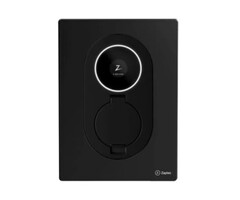

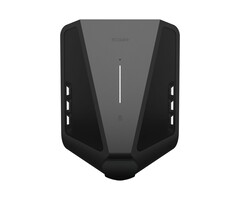

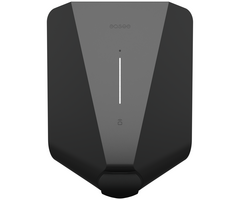
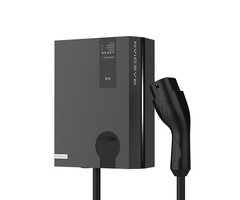
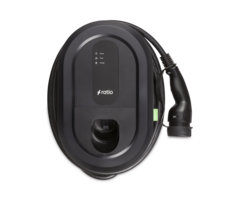

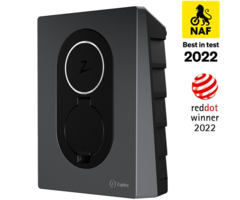
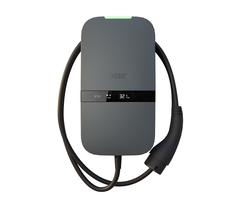
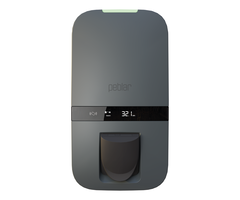
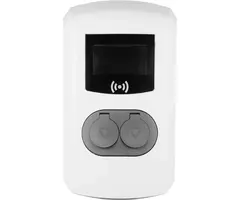
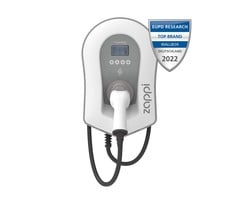
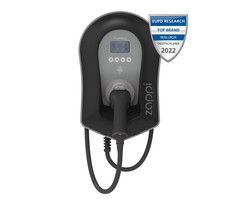
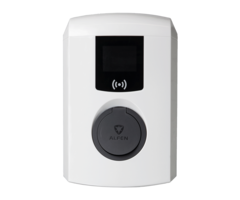
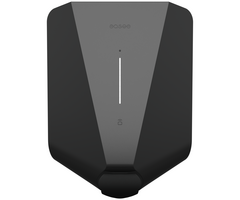
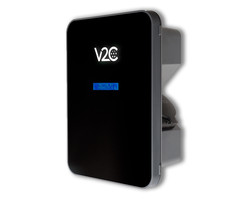


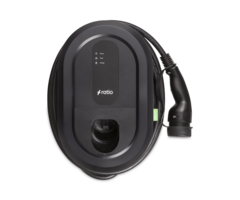
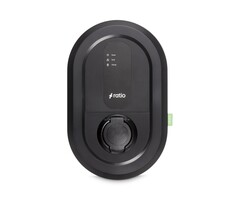
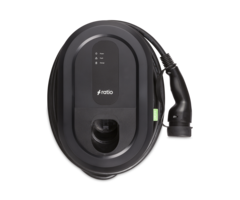
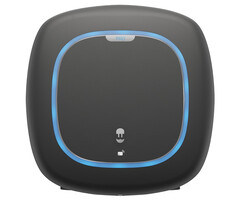
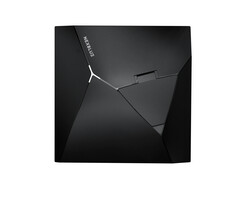
A smart charging EV Charger decides when and how quickly to charge your car. It takes account of hourly electricity prices, surplus solar power and the capacity available at your home supply. This helps lower charging costs and prevent the main fuse from tripping. Wallbox Discounter offers suitable models from Zaptec, Easee, Ratio and myenergi. Explore all the smart features, from apps to RFID cards, in our range of smart EV Chargers.
- Order before 15:00 for same-day dispatch
- Free shipping to the Netherlands and Belgium on orders from €150
- Available on its own or with installation in the Netherlands and Flanders, Belgium
Charge during the cheapest hours of the day
With a dynamic electricity tariff, the price changes every hour. On sunny afternoons, it can even fall below zero. The EV Charger schedules charging for the cheapest hours so your car is ready when you leave. To find out which EV Charger suits this type of tariff, read our guide to charging with a dynamic electricity tariff. With a fixed single-rate tariff, scheduling by price offers no saving. Solar charging and load balancing, which adjusts charging power to the capacity of your home supply, still work.
What controls the charging?
With smart charging, a device or service decides when your car charges. The choice determines which features your EV Charger needs.
- The EV Charger itself. The manufacturer’s app provides charging schedules, a solar mode and a link to your home energy measurement. An EV Charger with an app provides the foundation for these functions.
- Your energy supplier’s app. Sign in with your EV Charger account and the app schedules charging according to hourly prices. This is how you connect the Zaptec Go 2 to Tibber. Check in advance that your supplier supports your EV Charger.
- A management system. Your employer or charging card provider controls the EV Charger via OCPP.
- The car. In a Polestar, for example, you can set a schedule on the charging screen. Load balancing and solar charging also require a sensor at your home supply.
Charge with your own solar power
The Dutch net metering scheme ends on 1 January 2027. After that, exported electricity can no longer be offset against consumption under that scheme. Using your own solar power to charge your car can then be more valuable than exporting it, depending on your import and export rates. For surplus solar charging, a sensor at the home supply measures generation and household use. This can be a P1 reader connected to a compatible smart meter or CT clamps around the cables.
- Myenergi Zappi V2.1. Three CT clamps are included. ECO+ mode charges using only surplus solar power.
- Zaptec Go and Go 2. With Zaptec Sense, select surplus-only solar charging in the app.
- Easee Charge Max and Ratio Solar MID. The Easee uses the separately sold Easee Equalizer for solar charging, while the Ratio uses the Ratio Sensekit.
Is your car away from home during the day? A home battery stores surplus solar power so you can use it to charge in the evening. Explore the compatible models in our range of solar-compatible EV Chargers.
The difference between smart charging and load balancing
Load balancing helps protect your home supply from overload. An EV Charger with load balancing reduces charging power when the oven, washing machine and heat pump are running at the same time, helping prevent the main fuse from tripping. Smart charging also selects when to charge, based on price or solar availability. In practice, one module often handles both. Zaptec Sense, Easee Equalizer and Ratio Sensekit support load balancing and solar charging. Explore our EV Chargers with load balancing.
Which connections a smart charging EV Charger needs
OCPP connects your EV Charger to a management system
OCPP (Open Charge Point Protocol) handles communication between an EV Charger and a management system that controls charging and bills for sessions. The four models in the table below support OCPP 1.6, allowing you to choose a compatible management system. OCPP serves a different purpose from ISO 15118. OCPP communicates with the management system, while ISO 15118 communicates with the vehicle.
ISO 15118-20 for charging points from 2027
ISO 15118 governs communication between a vehicle and an EV Charger. Part 20 adds features including advanced smart charging. Under the EU’s AFIR regulation, home charging points installed or renovated from 1 January 2027 must support EN ISO 15118-20. Existing charging points are outside this ISO 15118-20 requirement. The Zaptec Go 2 hardware is ready for it, with support provided through a free Zaptec update. Explore models with this standard in our range of EV Chargers with ISO 15118.
Smart charging EV Chargers at Wallbox Discounter
Smart charging capabilities depend on the EV Charger’s built-in features and the accessories you choose. Charging power alone does not tell you which functions it supports.
| Model | Charging by hourly electricity price | Solar charging and load balancing | Connectivity |
|---|---|---|---|
| Zaptec Go 2 22 kW | Charging schedules, Tibber | Module (Zaptec Sense) | Wi-Fi, 4G, OCPP 1.6J |
| Easee Charge Max 22 kW | Charging schedules in the app | Module (Easee Equalizer) | Wi-Fi, 4G, OCPP 1.6J |
| Ratio Solar MID 22 kW | Dynamic electricity tariff | Module (Sensekit) | Wi-Fi, Ethernet, OCPP 1.6 |
| Myenergi Zappi V2.1 22 kW | Dynamic electricity tariff | Included as standard (3 CT clamps) | Wi-Fi, Ethernet, OCPP 1.6J |
For a smart charging EV Charger with solar control and load balancing included as standard, choose the Zappi. For the other three models, add the matching module, such as Zaptec Sense. You can also add the module later. Find it in our range of load balancing accessories.
A MID meter enables Dutch ERE payments for home charging
Since 2026, private individuals in the Netherlands can receive payments for eligible electricity used to charge at home through emission reduction units (EREs). This scheme applies only in the Netherlands. A registration service records your charging in the Dutch Register Energie voor Vervoer and pays out the proceeds. Your energy supplier is not involved. The amount depends on the market price of EREs.
The requirement is a MID-certified kWh meter built into the EV Charger itself. A separate MID meter in the distribution board does not qualify for private participants. The Zaptec Go 2, Easee Charge Max and Ratio Solar MID have a built-in meter. Choosing an EV Charger without one means missing out on this payment. This makes a built-in MID meter a practical choice. Explore our EV Chargers with MID meters.
Start smart charging in three steps
- Have the EV Charger connected. We offer an EV Charger with installation through our regular certified partner, starting at €399 in the Netherlands. We recommend using a qualified installer for safety and to meet your insurer’s requirements.
- Connect the measurement system, using a P1 reader on a compatible smart meter or CT clamps in the distribution board.
- Choose how to control charging. Connect the EV Charger to Wi-Fi or 4G and enable smart charging in its app, using price-based schedules or solar mode.
Frequently asked questions about smart charging
Do you need a dynamic electricity tariff for smart charging?
Only if you want to charge during the cheapest hours. With a dynamic tariff, electricity prices change hourly. A fixed tariff stays the same. Load balancing and charging with your own solar power work with any tariff.
Is a smart charging EV Charger the same as a smart EV Charger?
Broadly, yes. Smart charging means controlling when and at what power your car charges. For an overview of the features, read our guide to what a smart EV Charger is.
Can I add smart charging to my EV Charger later?
Yes, if the manufacturer offers a separate module. You can buy one later for the Zaptec Go 2, Easee Charge Max or Ratio Solar MID. Charging schedules also work without the module.
Why is a MID meter useful for smart charging?
As well as reducing charging costs, eligible home charging in the Netherlands can earn ERE payments. The scheme applies only in the Netherlands and requires a MID meter built into the EV Charger.
Smart charging advice for your home supply
Unsure which control system suits your home or which module to order? Call or WhatsApp us and we will look at your home supply, solar panels and electricity tariff with you. Then order your smart charging EV Charger on its own or with installation. Order before 15:00 for same-day dispatch.